Bienvenue au Château Pesquié
Au pied du Mont Ventoux, au Sud-Est de la Vallée du Rhône, le Château Pesquié est un domaine familial situé au cœur de l’appellation Ventoux. Depuis trois générations, la famille Chaudière y produit avec passion des vins à la fraîcheur et la finesse caractéristiques de ce terroir exceptionnel.
Vue sur le Ventoux
Situé au carrefour entre le monde alpin et le monde méditerranéen, le vignoble du Château Pesquié bénéficie d’un microclimat exceptionnel. L’influence de la montagne, l’altitude et la fraîcheur des nuits permettent de produire des vins d’un grand équilibre et d’une grande finesse.
Le domaine est au cœur du Parc Naturel du Ventoux et d’une réserve de biosphère classée par l’UNESCO pour sa biodiversité exceptionnelle. La protection de cet écosystème et de ses paysages à couper le souffle est une priorité naturelle de la famille Chaudière.
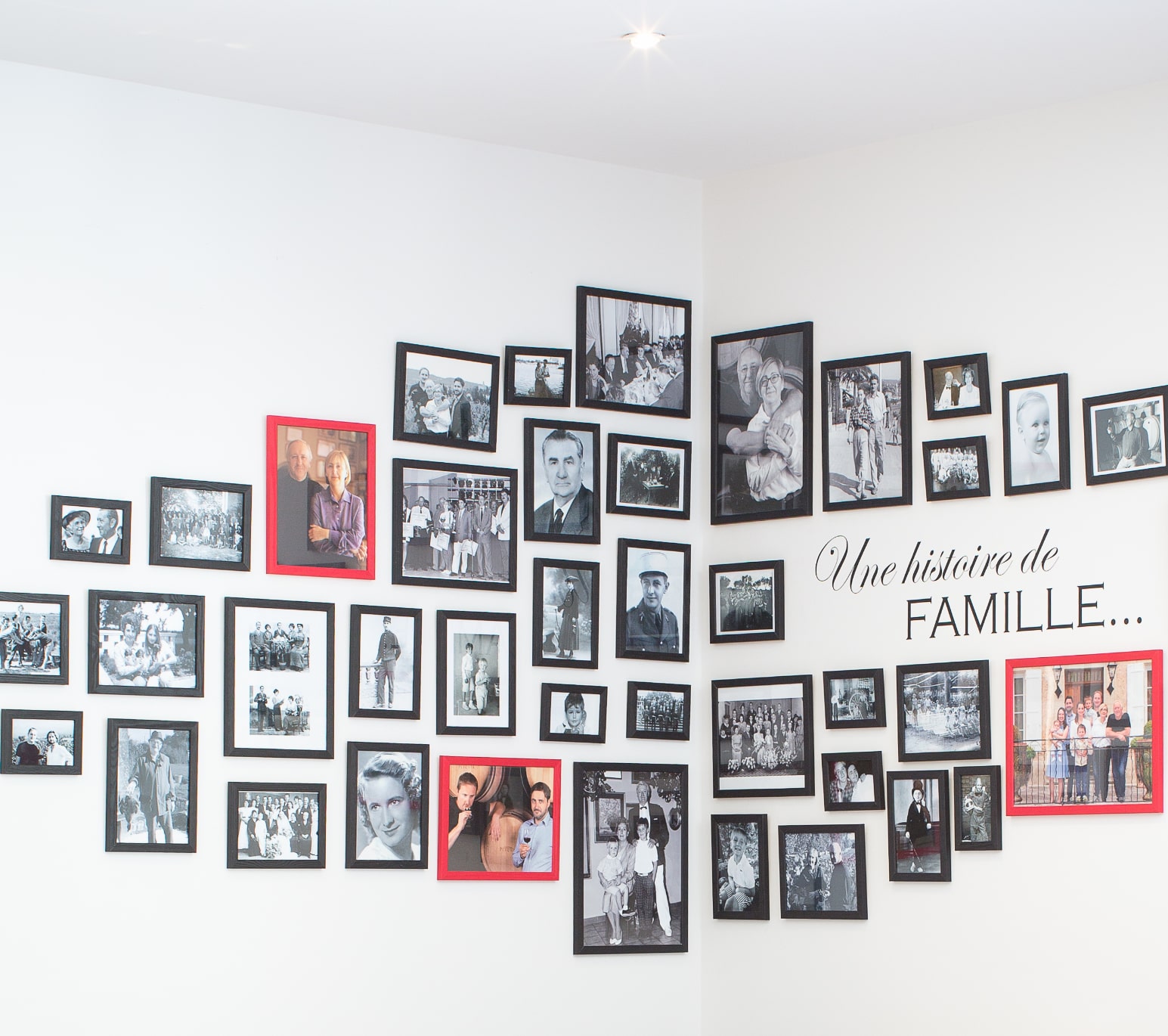
Une famille de vignerons
Depuis cinquante ans et trois générations, la famille Chaudière, propriétaire du Château, garde le même souci d’exploration et d’expression du terroir de l’AOC Ventoux. Le vignoble, suivi par Ecocert, est certifié en agriculture biologique.
Alexandre et Frédéric Chaudière, la dernière génération à la tête du domaine, mènent leurs vignes selon les principes de la biodynamie, avec rigueur et précision. Ce terroir tardif se caractérise par sa richesse géologique, avec une dominante calcaire.
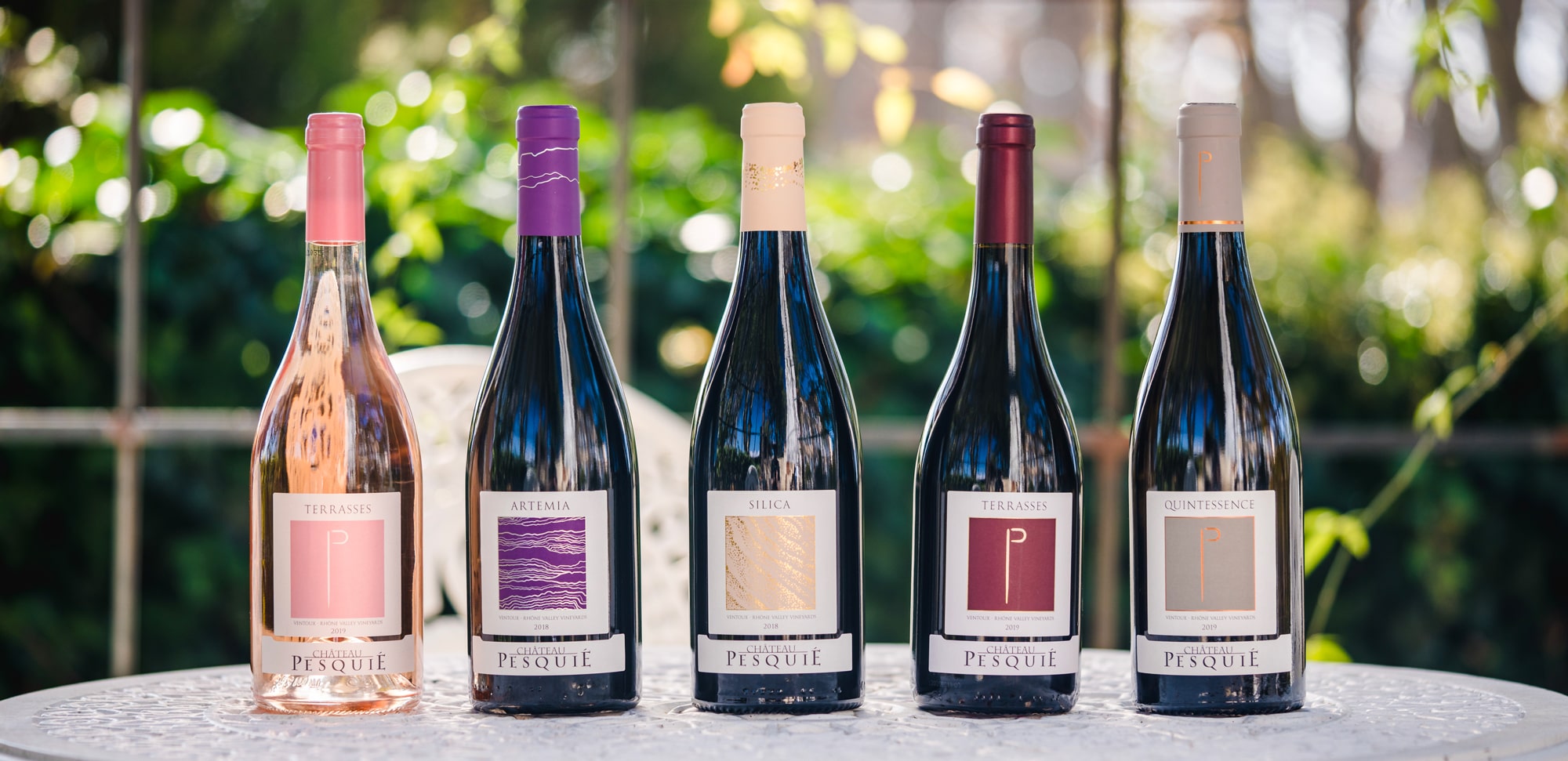
LES VINS PESQUIÉ
Rendez-nous
visite
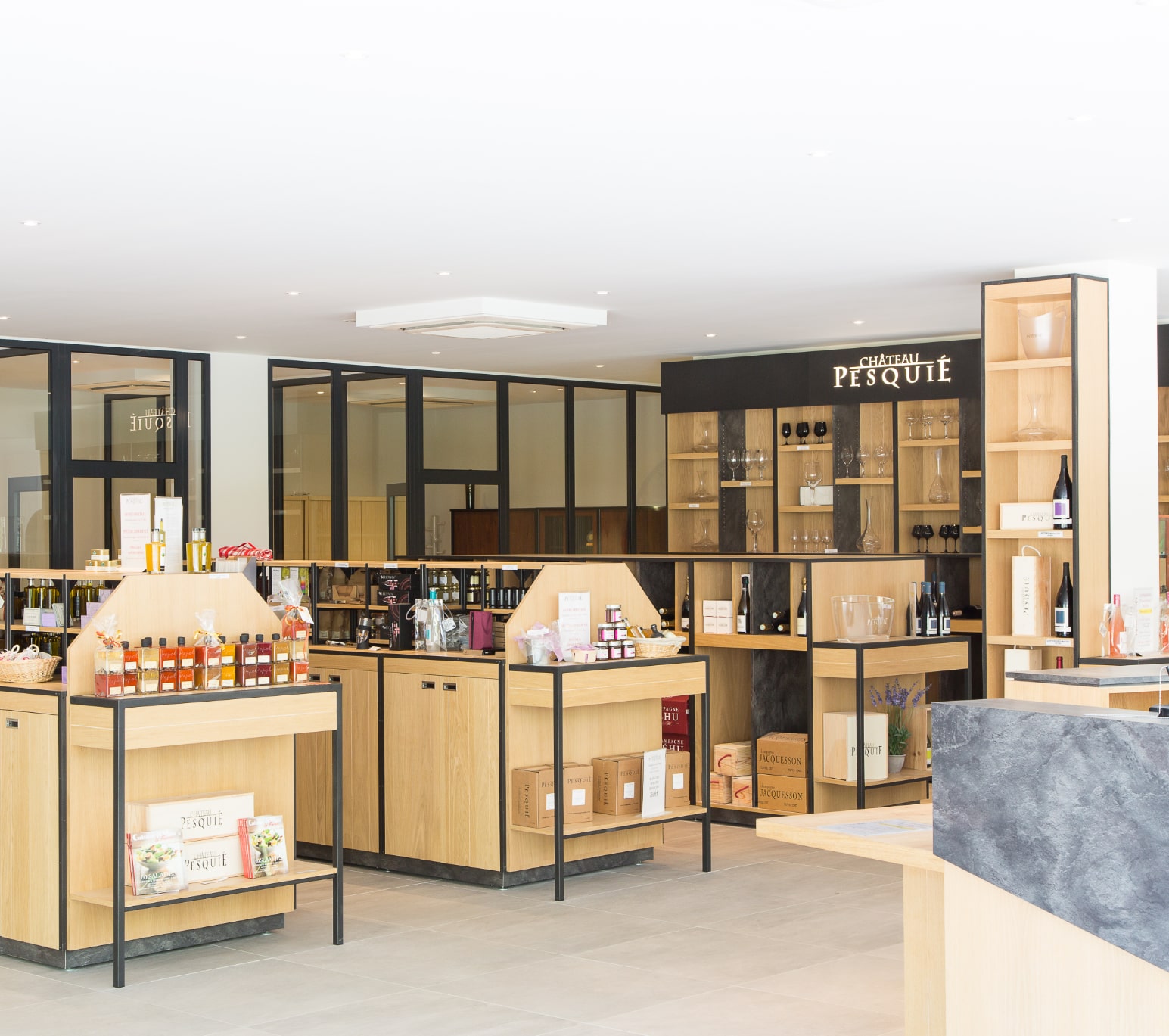
VENEZ déguster nos vins
Et vivre des expériences Œnotouristiques avec nous !
AU CHÂTEAU PESQUIÉ, nous ne manquons pas d’histoires à vous raconter !
SUIVEZ-NOUS pour tout savoir…
Découvrez nos
actualités
CONTACTEZ-NOUS
Nous écrire
 Inscrivez-vous à notre newsletter